Gallery

/

Fractured Horizons

/

Wenjuan Zhou & Weiwei Xiang

Wenjuan Zhou & Weiwei Xiang

Artix: Infinite Canvas Node-Based AI Image Generation Workflow

March 2026

Medium:

Software — Tauri (Rust), React, TypeScript, React Flow, Fabric.js, multi-provider AI APIs

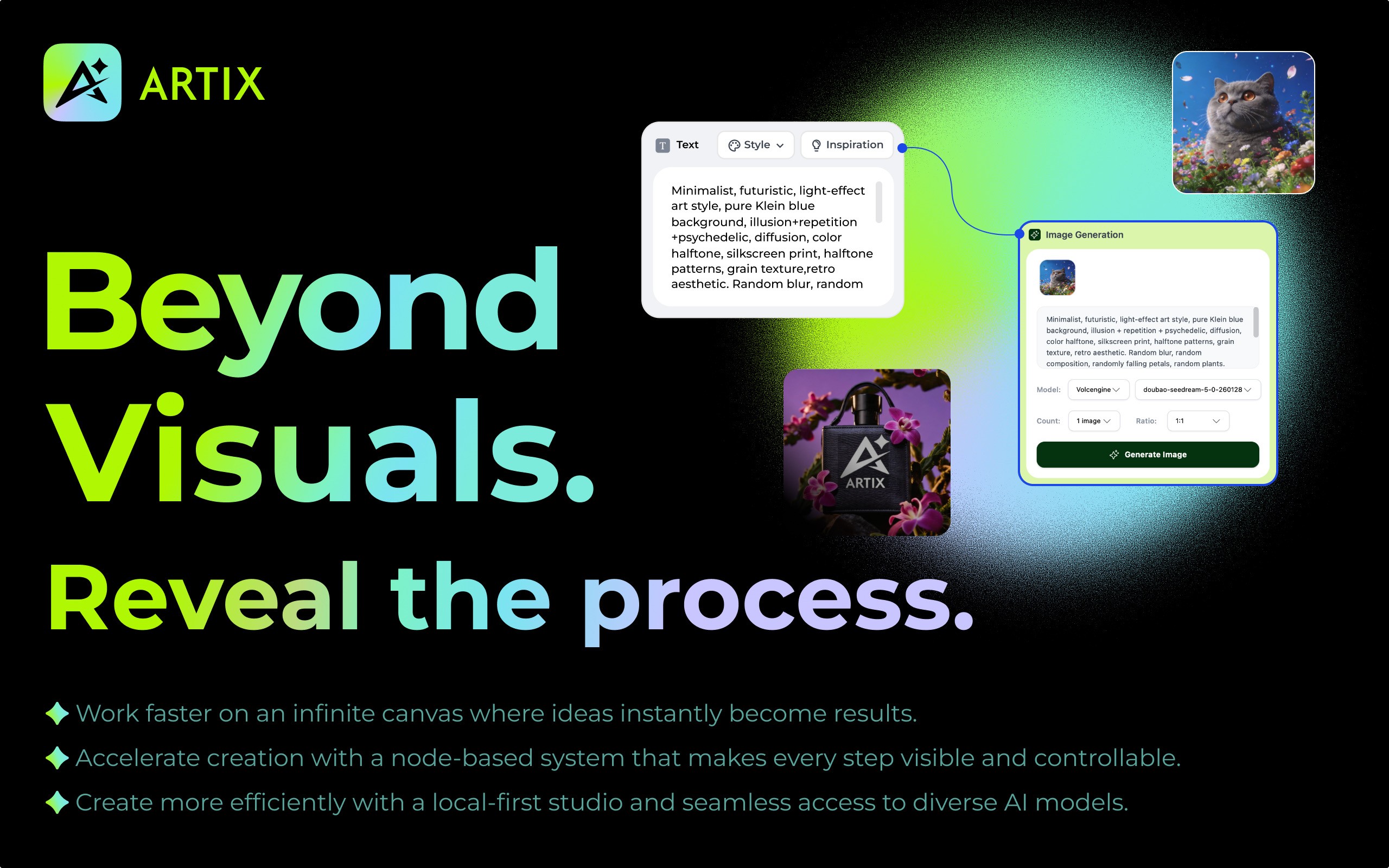
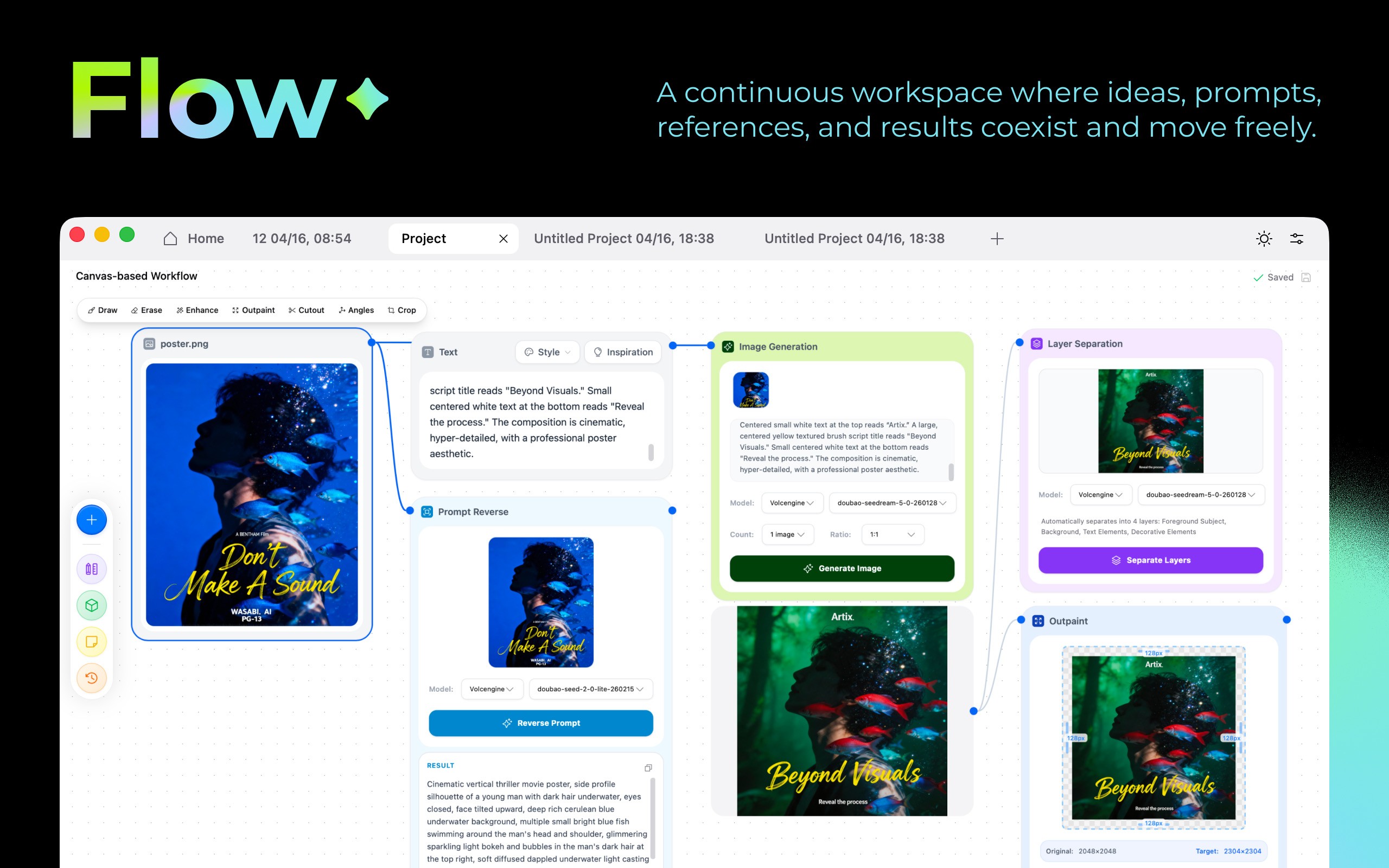
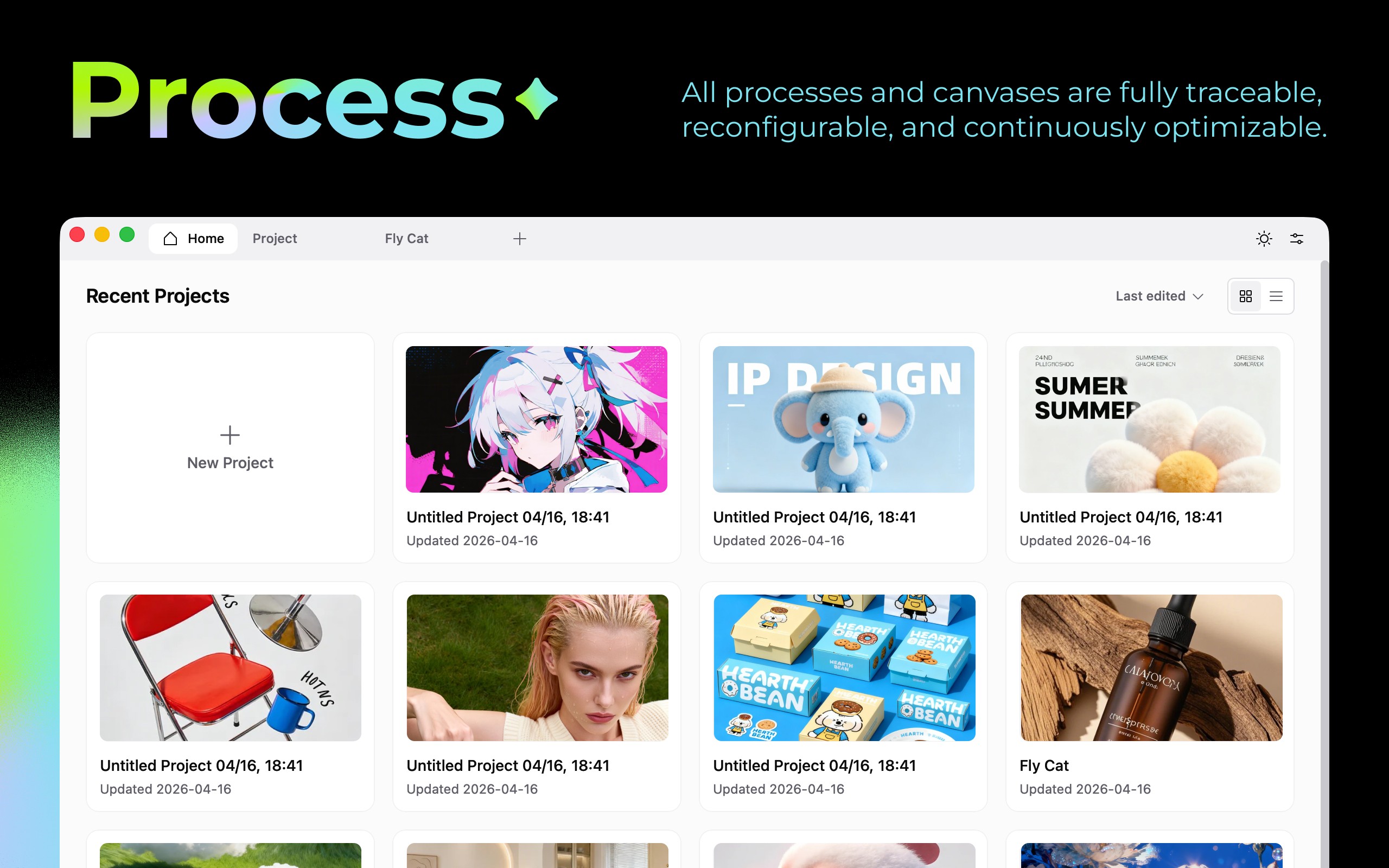
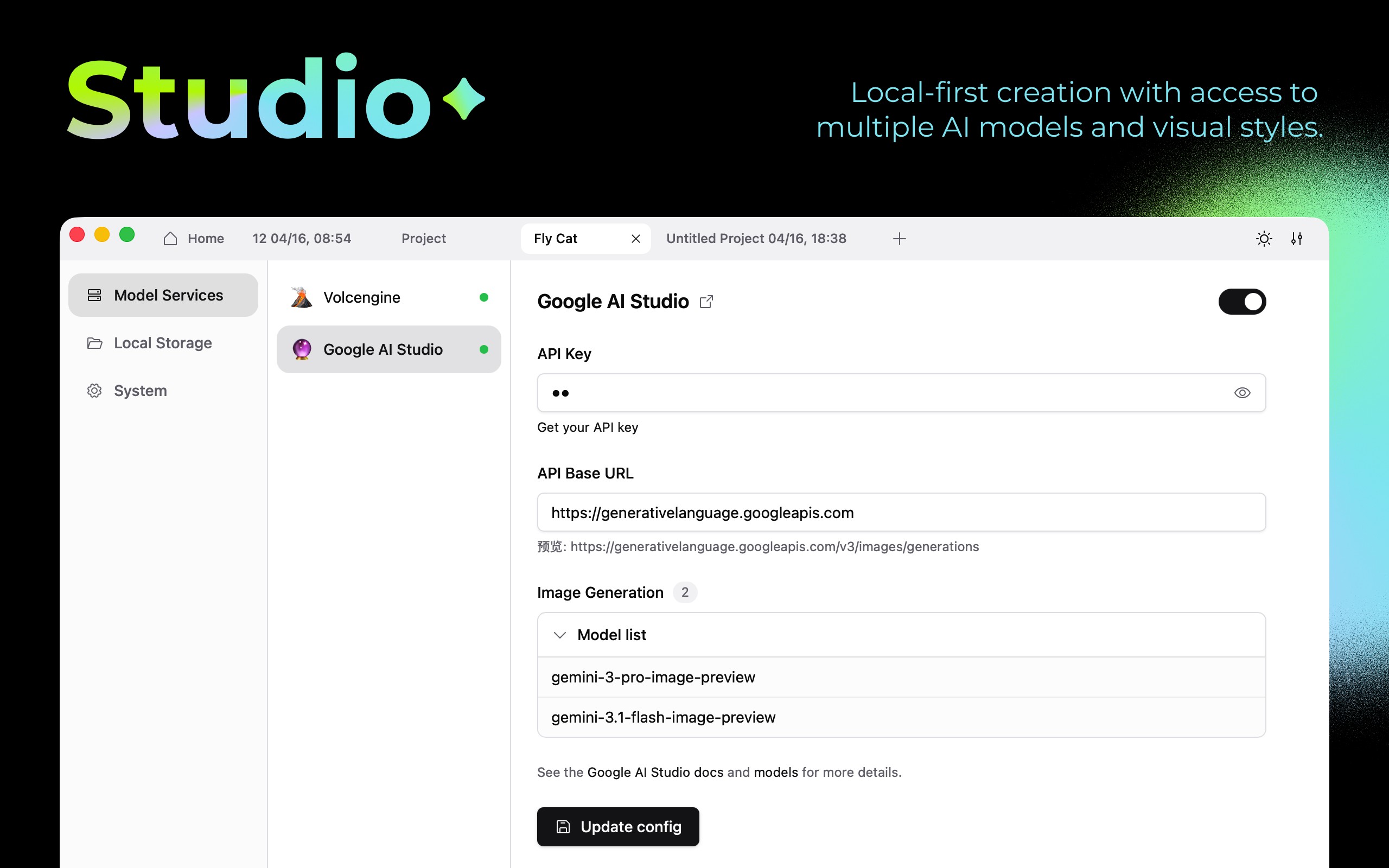
Artix reimagines AI image generation as a spatial, non-linear creative process. Rather than conventional linear prompt-to-image interfaces, it provides an infinite canvas where ideas flow visually through interconnected nodes — each representing an input, transformation, or AI generation step. The work challenges how humans interact with AI by turning complex API orchestration into an intuitive, design-driven experience. The work employs a node-based visual programming paradigm. Users compose creative pipelines by placing and connecting 16 types of functional nodes — from text prompts and doodle sketches to AI image/video generation and intelligent post-processing (outpainting, upscaling, layer separation). Data flows through edges between nodes, enabling iterative, branching exploration across multiple AI providers, while all assets remain stored locally. Artix embodies the convergence of design and AI by transforming opaque AI processes into an accessible, spatial creative environment. It replaces the "type-and-wait" paradigm with a living design space where human intention and algorithmic intelligence co-create — a tangible dialogue between designer and machine at the intersection of technology and visual art.

About the Artist

Wenjuan Zhou & Weiwei Xiang

Wenjuan Zhou — Design Manager / Lead Product Designer with 10+ years of global product experience, delivering user-centred design solutions across industries such as AI, e-commerce, music streaming, and real estate. Proven track record at Zoom, Tencent, and Baidu, leading global, cross-cultural, and cross-functional collaboration to align diverse teams and drive complex product initiatives. Specialised in end-to-end design, from product and brand strategy to design systems and UI/UX execution, aligning business goals with user needs to deliver cohesive, scalable solutions at scale. Weiwei Xiang — Former Senior Experience Design Expert at Alibaba, Design Lead at Ant Group, Product Experience Expert at JD.com, and independent developer. Focused on interaction design and AI creative tools at the intersection of AI and design practice. Experienced in end-to-end product design and entrepreneurship, with a track record of building products from 0 to 1 across 2C/2B platforms, including SaaS, fintech, e-commerce, big data, and AIGC. Led UX for large-scale products such as WeChat Pay, QQ Space, Ant Huabei, Alibaba cross-border supply chain, and the Linglong design platform.
Gallery

/

Fractured Horizons

/

Wenjuan Zhou & Weiwei Xiang

Wenjuan Zhou & Weiwei Xiang

Artix: Infinite Canvas Node-Based AI Image Generation Workflow

March 2026

Medium:

Software — Tauri (Rust), React, TypeScript, React Flow, Fabric.js, multi-provider AI APIs

Artix reimagines AI image generation as a spatial, non-linear creative process. Rather than conventional linear prompt-to-image interfaces, it provides an infinite canvas where ideas flow visually through interconnected nodes — each representing an input, transformation, or AI generation step. The work challenges how humans interact with AI by turning complex API orchestration into an intuitive, design-driven experience. The work employs a node-based visual programming paradigm. Users compose creative pipelines by placing and connecting 16 types of functional nodes — from text prompts and doodle sketches to AI image/video generation and intelligent post-processing (outpainting, upscaling, layer separation). Data flows through edges between nodes, enabling iterative, branching exploration across multiple AI providers, while all assets remain stored locally. Artix embodies the convergence of design and AI by transforming opaque AI processes into an accessible, spatial creative environment. It replaces the "type-and-wait" paradigm with a living design space where human intention and algorithmic intelligence co-create — a tangible dialogue between designer and machine at the intersection of technology and visual art.

About the Artist

Wenjuan Zhou & Weiwei Xiang

Wenjuan Zhou — Design Manager / Lead Product Designer with 10+ years of global product experience, delivering user-centred design solutions across industries such as AI, e-commerce, music streaming, and real estate. Proven track record at Zoom, Tencent, and Baidu, leading global, cross-cultural, and cross-functional collaboration to align diverse teams and drive complex product initiatives. Specialised in end-to-end design, from product and brand strategy to design systems and UI/UX execution, aligning business goals with user needs to deliver cohesive, scalable solutions at scale. Weiwei Xiang — Former Senior Experience Design Expert at Alibaba, Design Lead at Ant Group, Product Experience Expert at JD.com, and independent developer. Focused on interaction design and AI creative tools at the intersection of AI and design practice. Experienced in end-to-end product design and entrepreneurship, with a track record of building products from 0 to 1 across 2C/2B platforms, including SaaS, fintech, e-commerce, big data, and AIGC. Led UX for large-scale products such as WeChat Pay, QQ Space, Ant Huabei, Alibaba cross-border supply chain, and the Linglong design platform.
Gallery

/

Fractured Horizons

/

Wenjuan Zhou & Weiwei Xiang

Wenjuan Zhou & Weiwei Xiang

Artix: Infinite Canvas Node-Based AI Image Generation Workflow

March 2026

Medium:

Software — Tauri (Rust), React, TypeScript, React Flow, Fabric.js, multi-provider AI APIs

Artix reimagines AI image generation as a spatial, non-linear creative process. Rather than conventional linear prompt-to-image interfaces, it provides an infinite canvas where ideas flow visually through interconnected nodes — each representing an input, transformation, or AI generation step. The work challenges how humans interact with AI by turning complex API orchestration into an intuitive, design-driven experience. The work employs a node-based visual programming paradigm. Users compose creative pipelines by placing and connecting 16 types of functional nodes — from text prompts and doodle sketches to AI image/video generation and intelligent post-processing (outpainting, upscaling, layer separation). Data flows through edges between nodes, enabling iterative, branching exploration across multiple AI providers, while all assets remain stored locally. Artix embodies the convergence of design and AI by transforming opaque AI processes into an accessible, spatial creative environment. It replaces the "type-and-wait" paradigm with a living design space where human intention and algorithmic intelligence co-create — a tangible dialogue between designer and machine at the intersection of technology and visual art.

About the Artist

Wenjuan Zhou & Weiwei Xiang

Wenjuan Zhou — Design Manager / Lead Product Designer with 10+ years of global product experience, delivering user-centred design solutions across industries such as AI, e-commerce, music streaming, and real estate. Proven track record at Zoom, Tencent, and Baidu, leading global, cross-cultural, and cross-functional collaboration to align diverse teams and drive complex product initiatives. Specialised in end-to-end design, from product and brand strategy to design systems and UI/UX execution, aligning business goals with user needs to deliver cohesive, scalable solutions at scale. Weiwei Xiang — Former Senior Experience Design Expert at Alibaba, Design Lead at Ant Group, Product Experience Expert at JD.com, and independent developer. Focused on interaction design and AI creative tools at the intersection of AI and design practice. Experienced in end-to-end product design and entrepreneurship, with a track record of building products from 0 to 1 across 2C/2B platforms, including SaaS, fintech, e-commerce, big data, and AIGC. Led UX for large-scale products such as WeChat Pay, QQ Space, Ant Huabei, Alibaba cross-border supply chain, and the Linglong design platform.