About the Artist
Yue Cui
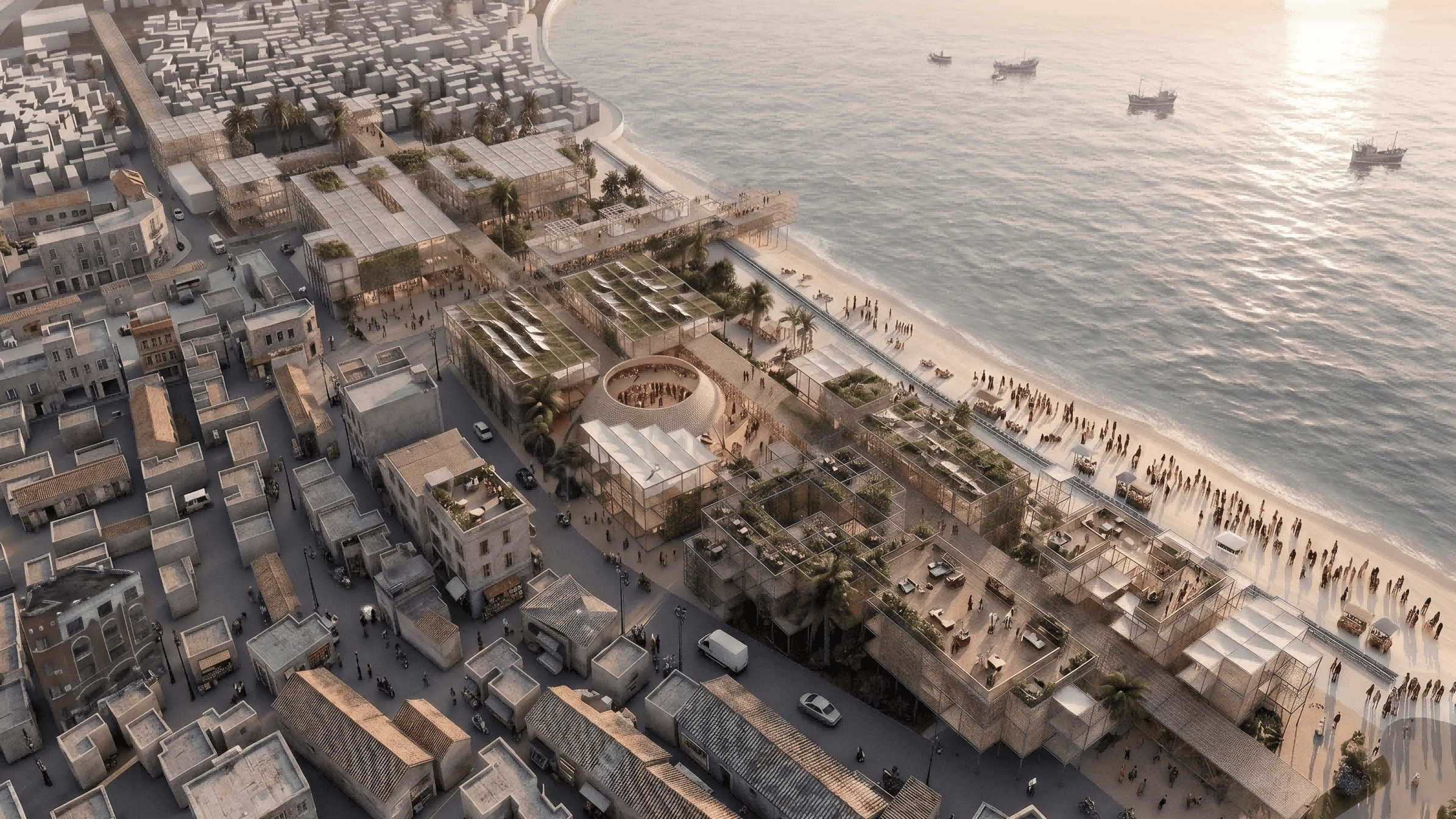
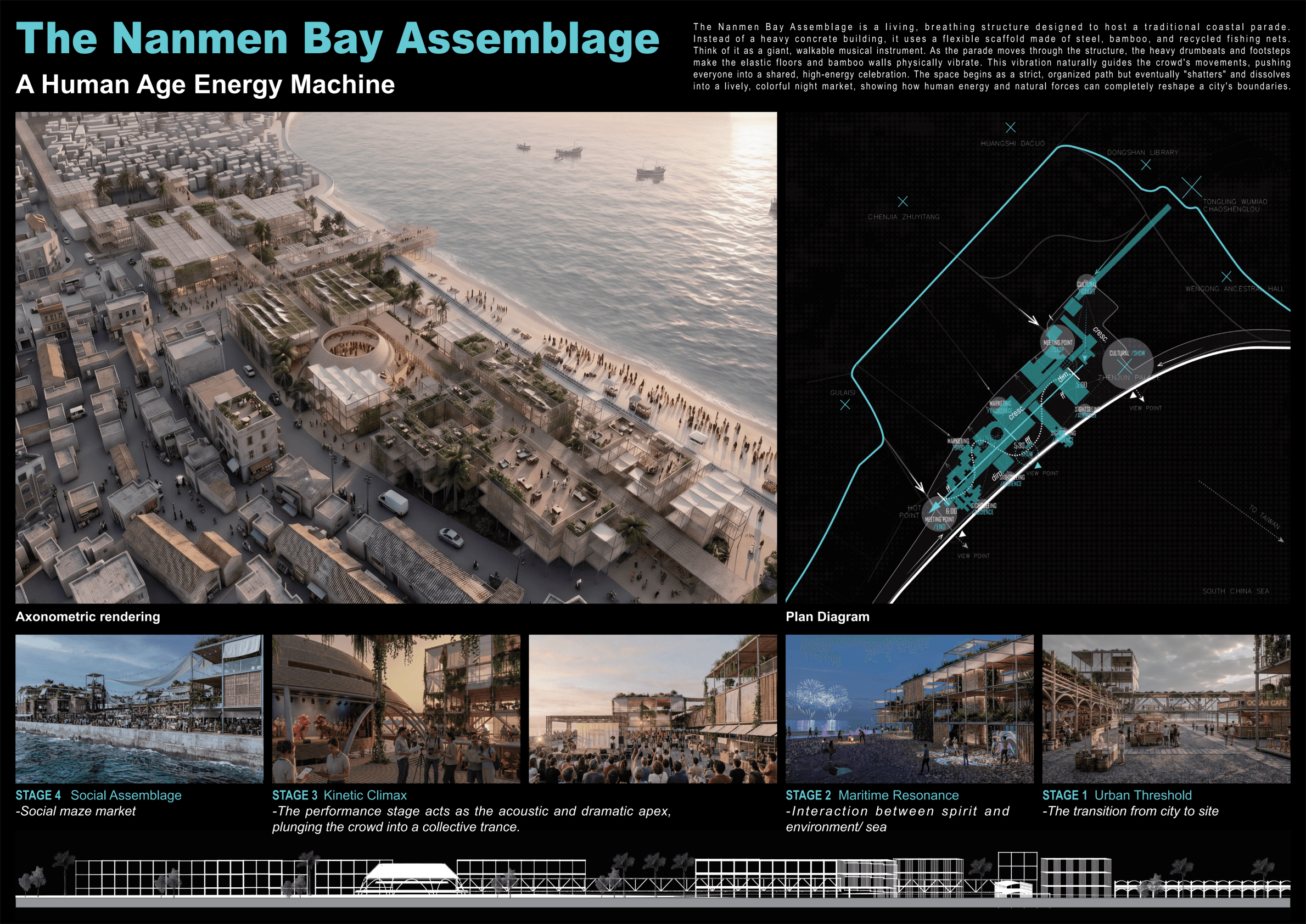
My practice focuses on the boundary states of architecture, seeking a non-anthropocentric spatial mechanism at the intersection of industrial infrastructure, natural flows, and the collective subconscious. I believe that in the turbulent era of the Anthropocene, architecture should no longer serve as a rigid fortress attempting to conquer nature, but rather step back to act as a humble mediator. In the Fractured Horizons exhibition, I explore the invisible power of "images." When visual representations are encoded into algorithms that control space, I seek a physical breakthrough. My project, The Nanmen Bay Assemblage, is a recompilation of modern technology and ancient belief systems. I prefer to use resilient materials, such as raw bamboo, alongside raw found objects like scaffolding and recycled fishing nets, to construct a kinesthetic feedback loop driven by "structural empathy." In this context, sound and physical vibration become the true architectural materials. I do not view space as a static visual object, but rather as a dynamic engine for computation and generation. My goal is to strip away the illusion of humans as absolute controllers, allowing the participants' bodies to be guided by the randomness of the environment through acoustic and structural resonance. Ultimately, I hope to invite people to the edge where rigid rationality fractures, experiencing a profound sense of collective trance.

About the Artist
Yue Cui
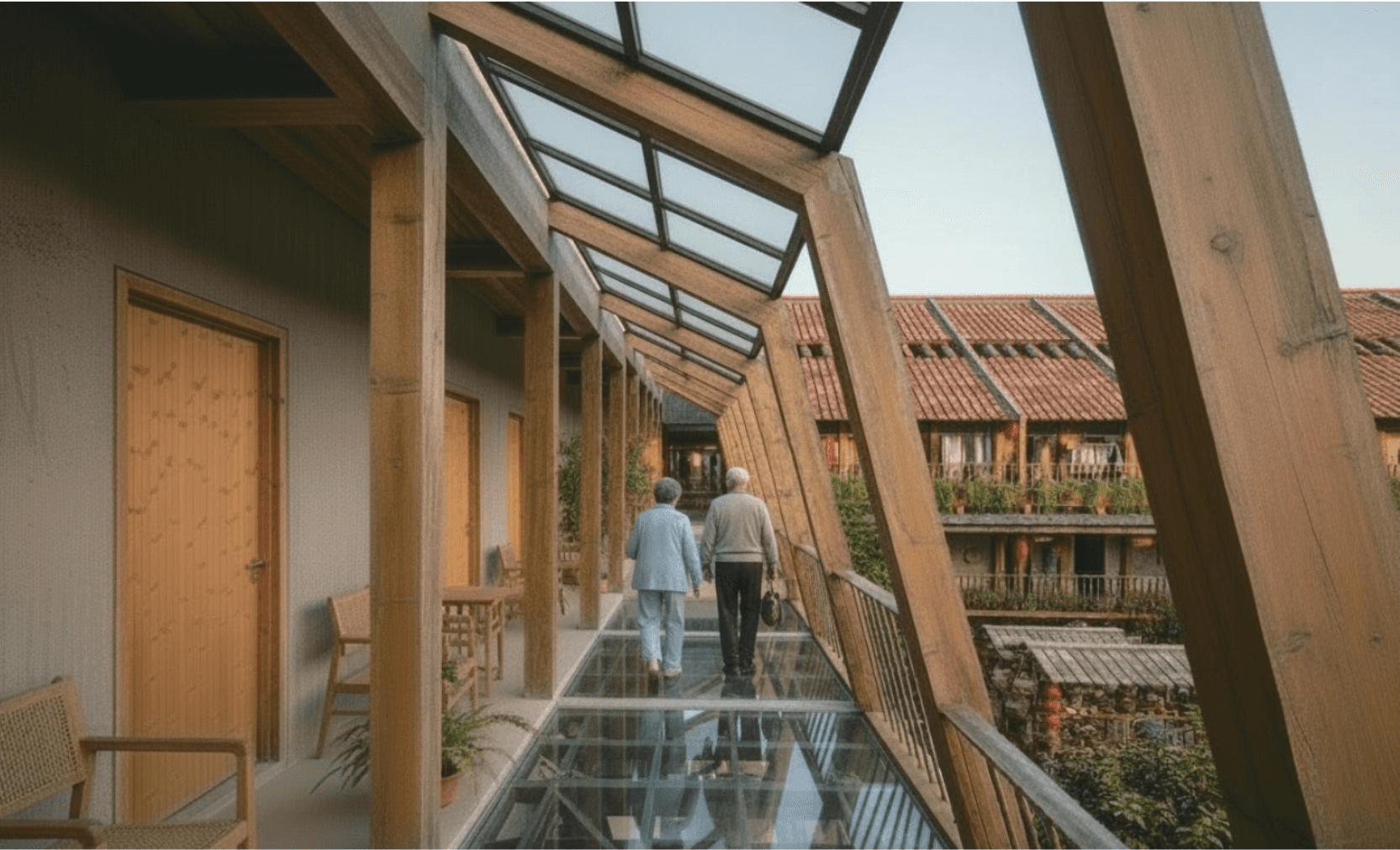
My practice focuses on the boundary states of architecture, seeking a non-anthropocentric spatial mechanism at the intersection of industrial infrastructure, natural flows, and the collective subconscious. I believe that in the turbulent era of the Anthropocene, architecture should no longer serve as a rigid fortress attempting to conquer nature, but rather step back to act as a humble mediator. In the Fractured Horizons exhibition, I explore the invisible power of "images." When visual representations are encoded into algorithms that control space, I seek a physical breakthrough. My project, The Nanmen Bay Assemblage, is a recompilation of modern technology and ancient belief systems. I prefer to use resilient materials, such as raw bamboo, alongside raw found objects like scaffolding and recycled fishing nets, to construct a kinesthetic feedback loop driven by "structural empathy." In this context, sound and physical vibration become the true architectural materials. I do not view space as a static visual object, but rather as a dynamic engine for computation and generation. My goal is to strip away the illusion of humans as absolute controllers, allowing the participants' bodies to be guided by the randomness of the environment through acoustic and structural resonance. Ultimately, I hope to invite people to the edge where rigid rationality fractures, experiencing a profound sense of collective trance.
About the Artist
Yue Cui
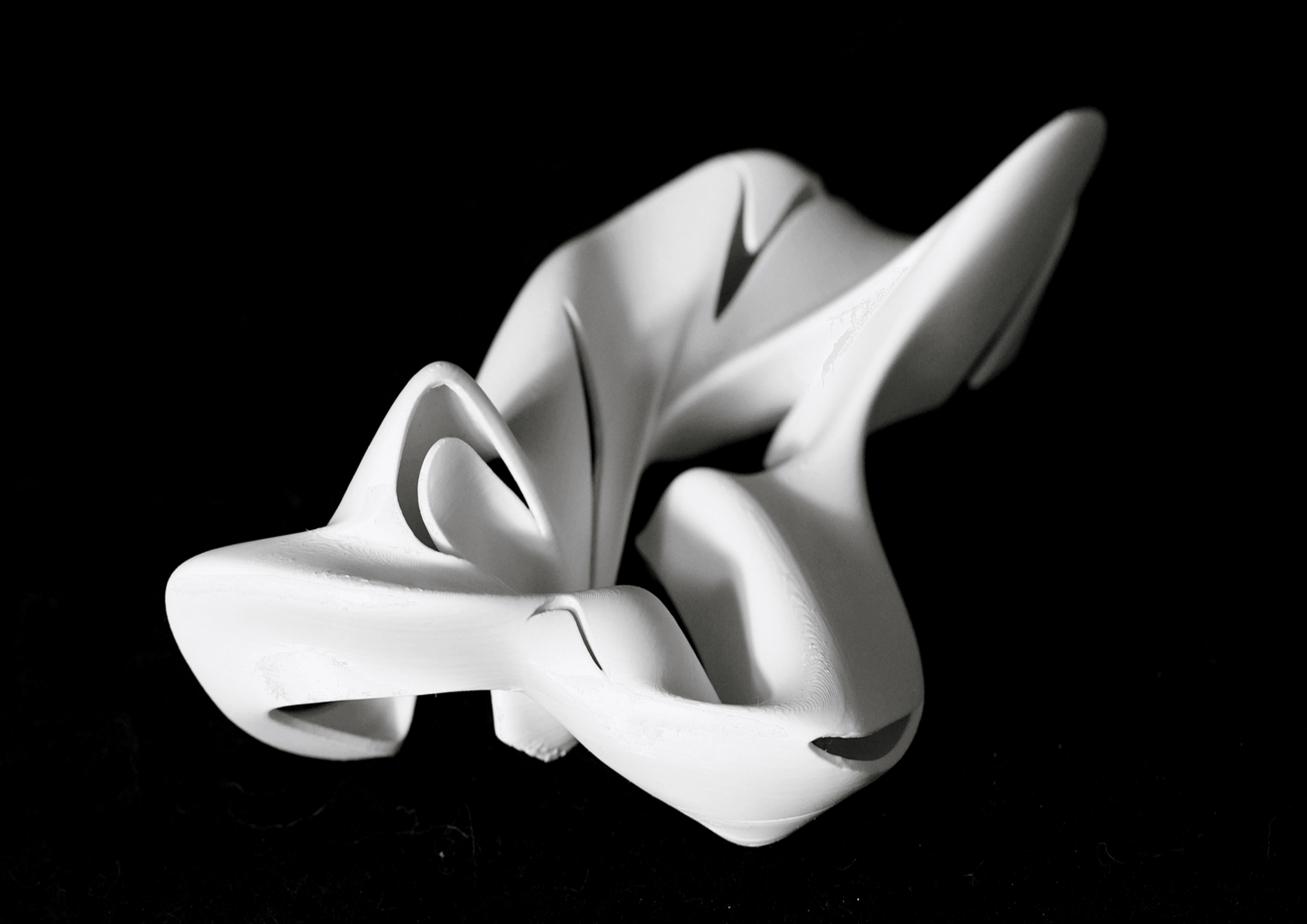
My practice focuses on the boundary states of architecture, seeking a non-anthropocentric spatial mechanism at the intersection of industrial infrastructure, natural flows, and the collective subconscious. I believe that in the turbulent era of the Anthropocene, architecture should no longer serve as a rigid fortress attempting to conquer nature, but rather step back to act as a humble mediator. In the Fractured Horizons exhibition, I explore the invisible power of "images." When visual representations are encoded into algorithms that control space, I seek a physical breakthrough. My project, The Nanmen Bay Assemblage, is a recompilation of modern technology and ancient belief systems. I prefer to use resilient materials, such as raw bamboo, alongside raw found objects like scaffolding and recycled fishing nets, to construct a kinesthetic feedback loop driven by "structural empathy." In this context, sound and physical vibration become the true architectural materials. I do not view space as a static visual object, but rather as a dynamic engine for computation and generation. My goal is to strip away the illusion of humans as absolute controllers, allowing the participants' bodies to be guided by the randomness of the environment through acoustic and structural resonance. Ultimately, I hope to invite people to the edge where rigid rationality fractures, experiencing a profound sense of collective trance.